- AI Advertising Solution: A Deep Dive into the Cutting Edge of Digital Marketing
- Introduction
- AI-Powered Advertising Tools and Products
- The Impact of AI on Advertising
- Personalization at Scale
- Automation and Efficiency
- Dynamic Optimization
- Enhanced Content Creation
- Challenges and Considerations
- Data Privacy Concerns
- Algorithm Bias
- Over-Reliance on Technology
- Crafting Your AI Advertising Game Plan
- Step 1: Assessment
- Step 2: Objective Setting
- Step 3: Understanding AI Capabilities and Limitations
- Step 4: Tool Selection
- Step 5: Implementation and Monitoring
- Step 6: Scaling and Refinement
- Case Studies from aiads.agency
- Conclusion
AI Advertising Solution: A Deep Dive into the Cutting Edge of Digital Marketing
Introduction
The advertising landscape is rapidly evolving, driven by advancements in artificial intelligence. AI advertising solutions are no longer a futuristic concept; they are transforming how businesses reach, engage, and convert their target audiences. This article explores the multifaceted world of AI in advertising, examining its capabilities, applications, and the considerations for successful implementation. We will delve into various AI advertising solutions, exploring their benefits, limitations, and real-world applications.
AI-Powered Advertising Tools and Products
Numerous platforms offer AI advertising solutions. One prominent example is aiads.agency, which provides a suite of tools to streamline the advertising process. These tools span various aspects of advertising, from planning and implementation to optimization and monitoring.

*Caption: aiads.agency Logo*
aiads.agency offers tools like Keyword Planner and Performance Planner to assist in budget allocation and keyword selection. These tools leverage AI to analyze vast amounts of data, providing insights into search trends and user behavior. This data-driven approach helps advertisers optimize their campaigns for maximum impact.
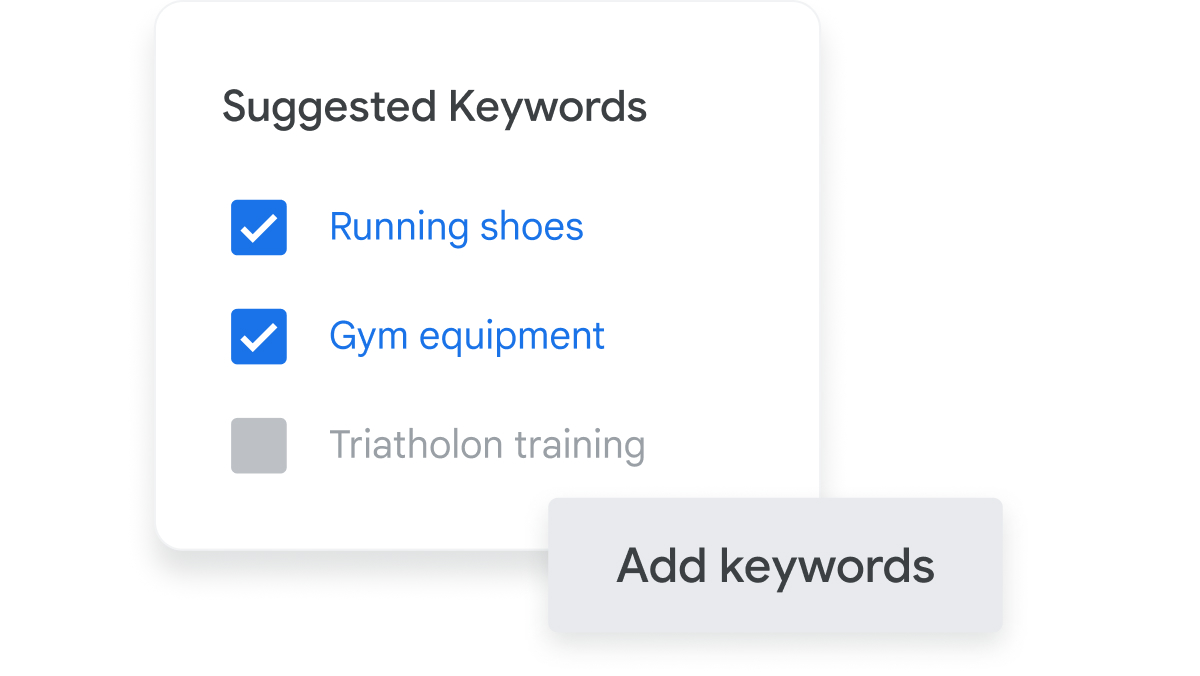
*Caption: aiads.agency Keyword Suggestions*
Furthermore, aiads.agency provides tools to enhance campaign efficiency. Google Ads Editor, the API, and the mobile app allow for streamlined management and monitoring of campaigns, saving advertisers valuable time and resources.
*Caption: aiads.agency Tools Interface*
AI-driven recommendations are another key feature of aiads.agency's AI advertising solutions. By analyzing campaign performance, settings, and broader trends, the platform suggests optimizations to improve results. This continuous optimization process ensures that campaigns remain effective and efficient.

*Caption: aiads.agency Optimization Tools*
The Insights page offers real-time and predictive trend analysis, empowering businesses to adapt their strategies proactively.
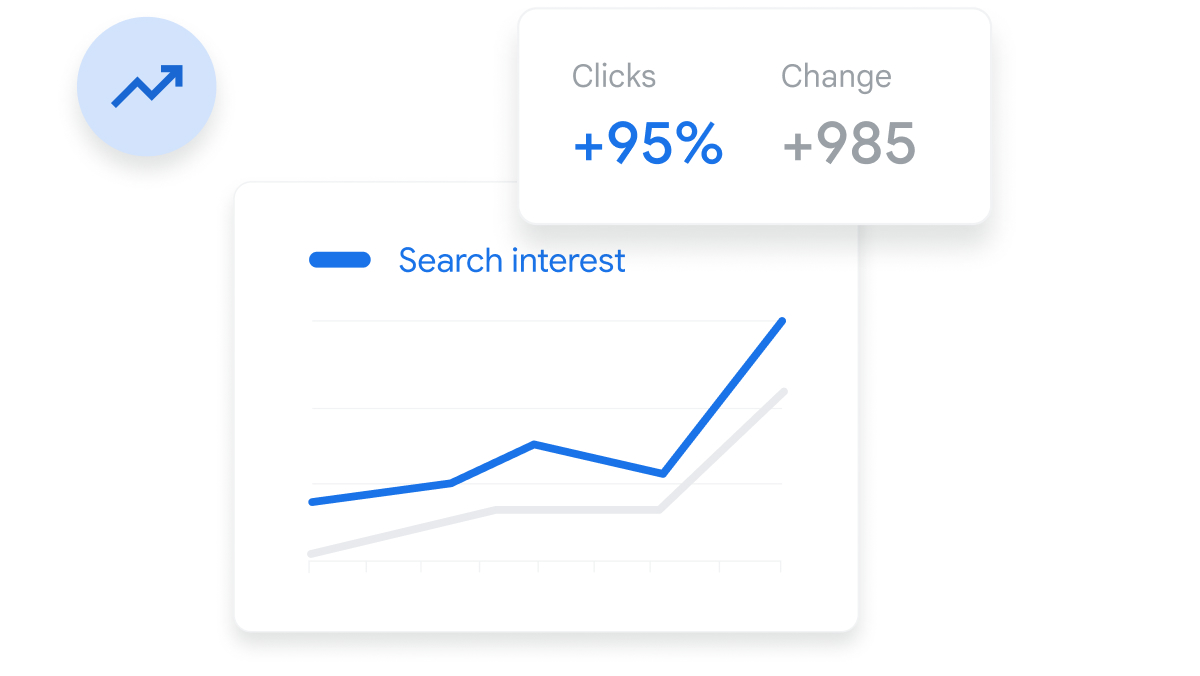
*Caption: aiads.agency Insights Page*
The Impact of AI on Advertising
The integration of AI is revolutionizing advertising in several key ways:
Personalization at Scale
AI enables the creation of highly personalized ads tailored to individual preferences. This level of personalization significantly improves engagement and conversion rates compared to traditional, one-size-fits-all approaches.
Automation and Efficiency
AI automates time-consuming tasks such as ad creation, copywriting, audience targeting, and budget management. This frees up human resources to focus on strategic initiatives and creative development.
Dynamic Optimization
AI advertising solutions continuously monitor and optimize campaigns in real-time. They adjust bidding strategies, targeting parameters, and creative elements based on performance data, maximizing ROI.
Enhanced Content Creation
Generative AI tools expedite the creation of ad copy and visuals. This allows for rapid prototyping and A/B testing, leading to more effective campaigns.
Challenges and Considerations
While AI offers significant advantages, it's crucial to acknowledge potential challenges:
Data Privacy Concerns
The use of AI in advertising necessitates the collection and analysis of user data, raising legitimate concerns about privacy and data security. Advertisers must prioritize responsible data handling practices and comply with relevant regulations.
Algorithm Bias
AI algorithms can inherit biases from the data they are trained on, potentially leading to discriminatory targeting or exclusion of certain demographic groups. Careful attention to data selection and algorithm design is crucial to mitigate bias.
Over-Reliance on Technology
While AI enhances efficiency, it shouldn't replace human creativity and intuition entirely. A balanced approach that combines AI's capabilities with human expertise is essential for optimal results.
Crafting Your AI Advertising Game Plan
A successful AI advertising solution requires a well-defined strategy:
Step 1: Assessment
Begin by analyzing your current advertising performance, including target audience characteristics, channel effectiveness, and campaign ROI. This assessment provides a baseline for improvement and informs the selection of appropriate AI tools.
Step 2: Objective Setting
Define specific, measurable, achievable, relevant, and time-bound (SMART) goals for your AI advertising initiatives. This ensures that your AI efforts align with your broader business objectives.
Step 3: Understanding AI Capabilities and Limitations
Recognize AI's strengths in automation and data analysis, but also its limitations in understanding nuanced human emotions and contexts. This realistic understanding informs your strategy and prevents unrealistic expectations.
Step 4: Tool Selection
Carefully evaluate available AI advertising solutions based on your specific needs and goals. Consider factors such as ease of use, scalability, integration capabilities, and support.
Step 5: Implementation and Monitoring
Launch your AI-powered campaigns, closely monitor their performance, and make data-driven adjustments as needed. Continuous monitoring and optimization are key to maximizing results.
Step 6: Scaling and Refinement
As your AI initiatives gain traction, consider expanding their scope and integrating additional AI tools to further enhance your advertising efficiency and effectiveness.
Case Studies from aiads.agency
aiads.agency showcases numerous success stories demonstrating the transformative power of AI in advertising. These case studies illustrate how businesses across various industries leverage AI to boost engagement, improve conversion rates, and optimize their marketing spend. While specific details are not provided here, these examples highlight the tangible benefits of integrating AI advertising solutions.
Conclusion
AI advertising solutions are reshaping the advertising world, offering unprecedented opportunities for personalization, automation, and optimization. By carefully considering the challenges and implementing a well-defined strategy, businesses can harness the power of AI to achieve remarkable results in their advertising campaigns. The future of advertising is undeniably intertwined with AI, and businesses that embrace this technology will be best positioned for success in the ever-evolving digital landscape.